
The Leak May Not Be Where You Think: How Colorado Homeowners Can Trace Water from Roof to Foundation

September 16, 2026    Scott Mainzer

Share this post:

The Leak May Not Be Where You Think

A water stain on your ceiling usually creates one immediate assumption: the roof is leaking.

Sometimes that is true. But water rarely travels in a straight line. A leak may begin around a vent, chimney, or roof valley, then move along the decking before appearing several feet away inside your home. In other cases, the roof is not the main problem at all. A clogged gutter, damaged flashing, or poorly positioned downspout may be sending water behind the fascia, down the siding, or toward the foundation.

Colorado homeowners face additional challenges. Hail, heavy snow, pine needles, strong winds, and freeze-thaw cycles can all affect the connected system that moves water away from the house.

Here is how to trace the warning signs safely and understand where the problem may really be coming from.

Why a Ceiling Stain Does Not Identify the Leak

Water follows the path of least resistance.

It can travel along roof rafters, insulation, electrical wiring, or framing before finally dripping onto a ceiling. That means the visible stain is often not directly below the actual entry point.

For example, water may enter near a chimney, move downhill across the roof deck, and appear beside a light fixture in a bedroom. If someone repairs only the area above the stain, the leak may continue because the original entry point was never corrected.

This is why a professional roof inspection in Evergreen, CO should examine the entire roofing system rather than focus only on the interior symptom.

Start with a Safe Ground-Level Inspection

Never climb onto a wet, icy, or storm-damaged roof. Colorado roofs can become especially dangerous after hail, snow, or high winds.

Instead, begin from the ground with binoculars if available. Look for:

  • Missing, cracked, or lifted shingles
  • Dark marks or bruised areas on asphalt shingles
  • Exposed underlayment
  • Bent or damaged flashing
  • Loose chimney or vent covers
  • Sagging gutters
  • Water stains below the roofline
  • Shingle granules collecting near downspouts
  • Branches or pine needles trapped in valleys

These clues do not always prove where water is entering, but they can reveal which parts of the system deserve closer attention.

If you notice fresh storm damage, arranging storm damage roof repair in Golden, CO can help prevent a small opening from becoming a much larger moisture problem.

Check the Attic Before Assuming the Roof Needs Replacement

If your attic is safely accessible, inspect it during or shortly after rainfall. Use a flashlight and look for:

  • Damp insulation
  • Dark stains on roof decking
  • Water trails along rafters
  • Mold or mildew growth
  • Rust around nails
  • Daylight visible through roof boards
  • Wet areas near vents, chimneys, and valleys
  • A musty smell

Remember that attic moisture does not always come from a roof leak. Condensation caused by poor ventilation can also create damp insulation, mold, and wood staining.

The location of the moisture can provide useful clues. Water near a plumbing vent may indicate a failed pipe boot. Moisture around a chimney may point to deteriorated flashing. Wet insulation near the eaves may suggest overflowing gutters or an ice-related backup.

Inspect the Roof’s Most Common Entry Points

Some roof areas are more vulnerable because they interrupt the continuous surface of the shingles.

Roof Valleys

Valleys collect water, snow, and debris as two roof slopes meet. Pine needles and leaves can slow drainage, while damaged shingles or underlayment can allow water to work beneath the roofing material.

A valley that looks messy from the ground deserves attention, particularly before winter snow begins to accumulate.

Flashing Around Chimneys and Walls

Flashing redirects water around chimneys, sidewalls, dormers, and other transitions. If it is loose, corroded, cracked, or improperly installed, water can enter behind the roofing materials.

This type of problem often causes stains that appear on exterior walls or near corners of a room rather than in the center of the ceiling.

Pipe Boots and Roof Vents

Rubber seals around plumbing vents can dry out and crack over time. A small opening may not cause a constant leak. Instead, water may enter only during wind-driven rain or when snow melts around the penetration.

Skylights and Dormers

Skylights and dormers create several transition points where roofing, flashing, siding, and sealants must work together. Leaks in these areas can be difficult to identify without a close inspection.

Do Not Overlook the Gutters and Fascia

A roof can appear to be leaking when the real issue is at the roof edge.

When gutters are clogged, undersized, sagging, or improperly pitched, water may overflow behind the gutter instead of flowing into the downspout. That moisture can damage the fascia board, soffit, siding, and roof edge.

Look for:

  • Water spilling over the gutter during rain
  • Streaks or staining below the roof edge
  • Soft, swollen, or peeling fascia
  • Gutters pulling away from the house
  • Standing water in the gutter
  • Rust, cracks, or separated seams
  • Pine needles packed inside the channel

If the gutter system is repeatedly overflowing, homeowners may need more than another cleaning. A professional gutter installation in Evergreen, CO can correct problems involving pitch, hanger spacing, gutter size, and drainage design.

For homes surrounded by pine trees, gutter guard installation in Conifer, CO may also reduce the amount of debris entering the system. Gutter guards do not eliminate maintenance, but the right system can help reduce clogs and improve year-round water flow.

Follow the Downspout to the Foundation

Even when the roof and gutters are working properly, downspouts can create problems if they release water too close to the home.

Walk around the foundation after heavy rain or snowmelt. Look for:

  • Pooling water
  • Mud or eroded soil
  • Damp basement walls
  • Cracks that appear wetter after storms
  • Overflow marks beneath the downspout
  • Water collecting near exterior steps or window wells

A downspout should direct water away from the foundation instead of allowing it to collect beside the house. In sloped Colorado neighborhoods, runoff may also travel downhill toward a foundation, retaining wall, or neighboring structure.

Foundation moisture is not always a roofing issue, but it can begin with a failure at the roof edge. That is why tracing the complete water path matters.

How Snowmelt Creates Misleading Leaks

Snow can hide roof damage for days or weeks.

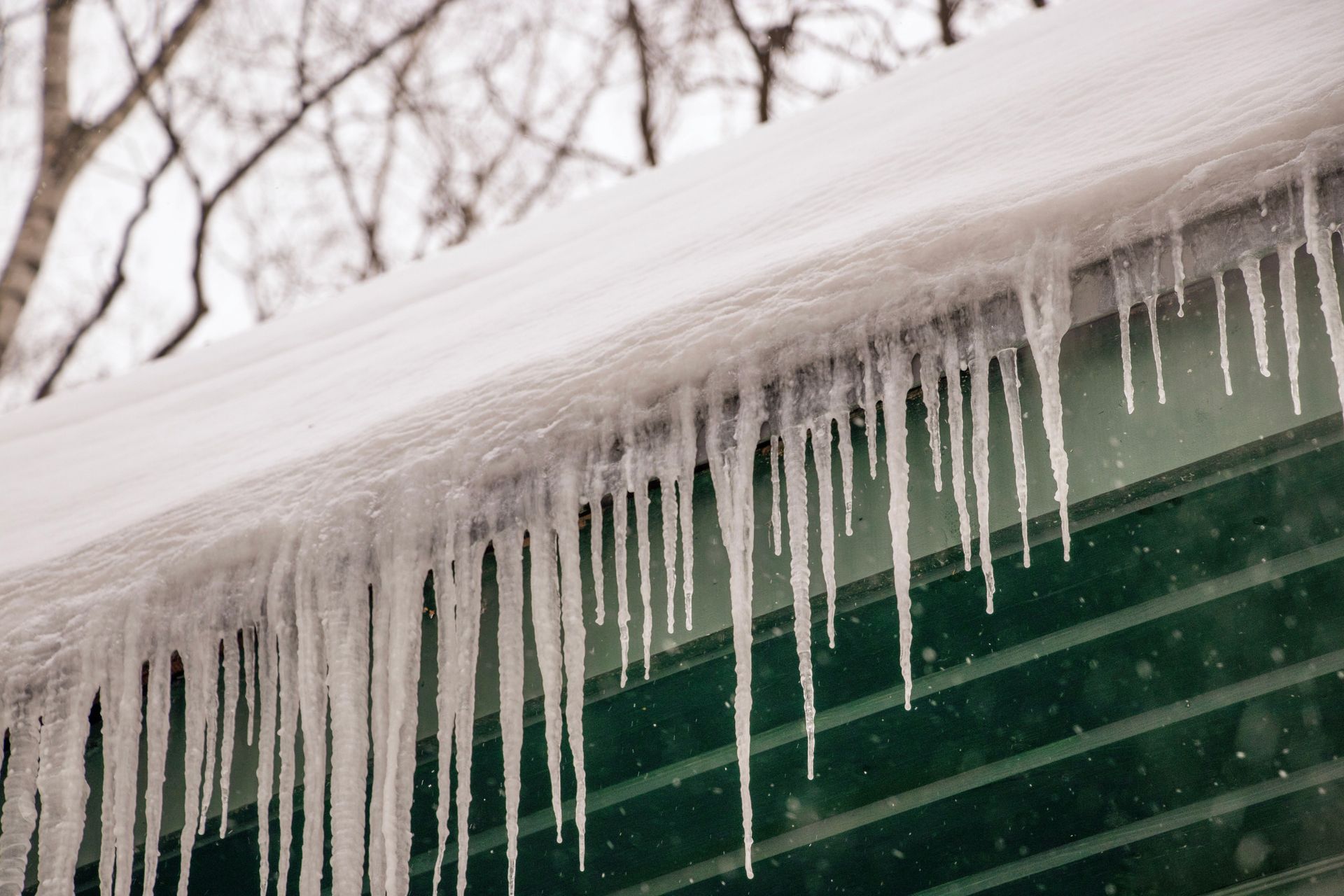
As temperatures rise, melting snow may move beneath ice, around flashing, or behind blocked gutters. The resulting leak may appear inside the home long after the original snowfall.

Pay close attention to leaks that occur:

  • During warm afternoons after heavy snow
  • Near exterior walls
  • Around roof valleys
  • Below skylights or chimneys
  • Near attic eaves
  • After repeated freeze-thaw cycles

If a leak appears only during snowmelt, do not assume it is harmless or temporary. Repeated moisture can damage insulation, roof decking, fascia, and interior finishes.

What Homeowners Should Document

Before calling a contractor or insurance company, document what you can safely observe.

Take photos of:

  • Ceiling and wall stains
  • Wet insulation
  • Missing shingles visible from the ground
  • Overflowing or damaged gutters
  • Fallen branches
  • Debris near valleys
  • Water pooling near the foundation
  • The date of the storm or first appearance of the leak

Avoid making permanent repairs before the source is identified. Cover damaged interior areas, place a container beneath active drips, and move furniture or valuables away from the affected area.

If you suspect storm-related damage, a professional inspection can help distinguish sudden damage from normal aging or maintenance issues.

When to Call a Roofing Professional

Contact a professional if:

  • Water is actively entering the home
  • The ceiling is sagging or bubbling
  • You see daylight through the roof
  • Shingles are missing across multiple areas
  • The roof has visible hail or wind damage
  • The attic contains wet insulation or mold
  • Gutters are pulling away from the fascia
  • A chimney, skylight, or roof valley appears damaged
  • You cannot identify the source of the leak safely

A qualified roof leak repair company in Evergreen, CO can inspect the roof, flashing, gutters, and visible attic areas to identify the likely entry point. If the roofing system has widespread damage or has reached the end of its service life, roof replacement in Lakewood, CO may be the more practical long-term solution.

The right answer is not always the largest project. Sometimes the solution is a flashing repair, gutter adjustment, downspout extension, or targeted shingle replacement.

Protect Your Home by Finding the Real Source

A ceiling stain is a warning—not a diagnosis.

The water may be entering through damaged shingles, but it may also be coming from flashing, gutters, fascia, snowmelt, or drainage near the foundation. Treating only the visible stain can allow hidden damage to continue.

For Colorado homeowners, the safest approach is to observe from the ground, check accessible attic areas, document what you find, and arrange a professional inspection when the source is unclear.

Mainzer Roof & Gutter helps homeowners throughout Evergreen and nearby foothill communities understand what is happening before deciding on a repair or replacement. Contact Mainzer Roofing for a clear inspection and a practical recommendation based on the condition of your home.

Read More Posts

By Scott Mainzer August 19, 2026
Learn how to prevent ice dams and snow damage on Evergreen, CO roofs with expert winter roofing tips from Mainzer Roof & Gutter.
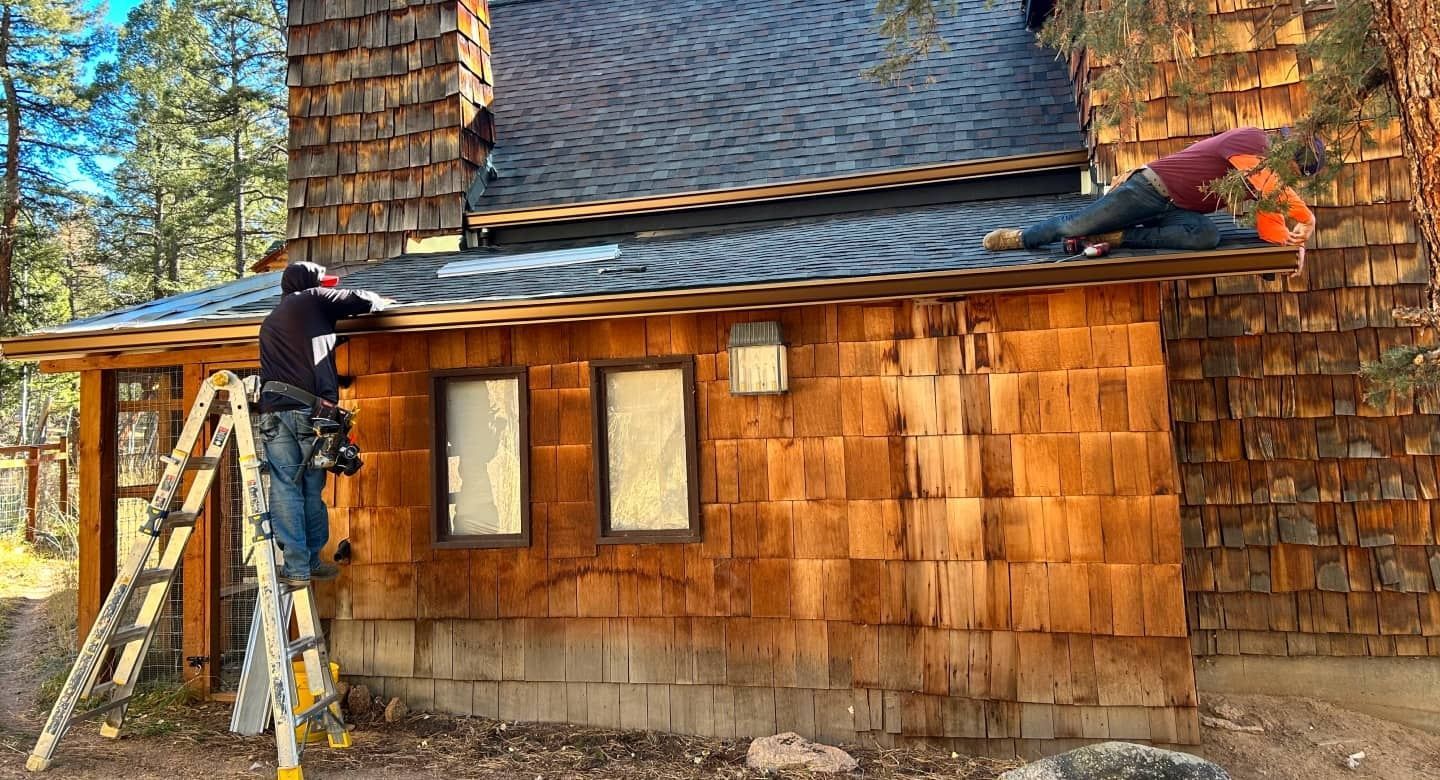
Two workers install wooden shingles on a rustic house exterior, one on a ladder and one on the roof.
By Scott Mainzer April 30, 2026
Learn when roof repair is enough, when replacement makes more sense, and what Colorado homeowners in Evergreen should look for after storm damage.

Worker in hard hat holding a clipboard beside a house exterior, inspecting siding and windows.
By Scott Mainzer April 30, 2026
Spot 15 signs your roof needs replacement in Colorado, from hail damage to leaks, sagging, and attic moisture, before small issues turn costly.

Worker installing roofing on a partially stripped roof, with gray shingles and exposed wooden rafters.
By Scott Mainzer February 13, 2026
Does Homeowners Insurance Pay for a New Roof?February 13, 2026|Scott MainzerShare this post:If you live in Colorado, you already know how tough the weather can be on a roof. Hailstorms, strong winds, and fast-moving mountain storms can cause damage that is not always obvious at first glance. Many homeowners ask us the
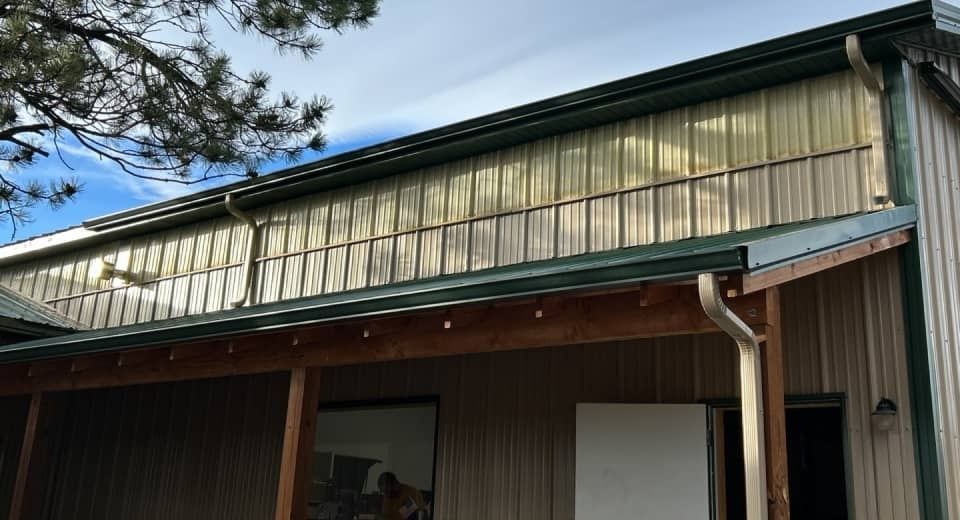
Wooden building exterior with slanted corrugated roof and green trim under a blue sky
By Scott Mainzer February 13, 2026
Best Materials for Gutters for Homeowners in ColoradoFebruary 13, 2026|Scott MainzerShare this post:Colorado homeowners deal with a lot more than just rain. Snow load, ice buildup, hail, and sharp temperature swings during cold winters put constant stress on gutter systems, which is why seamless gutters perform better
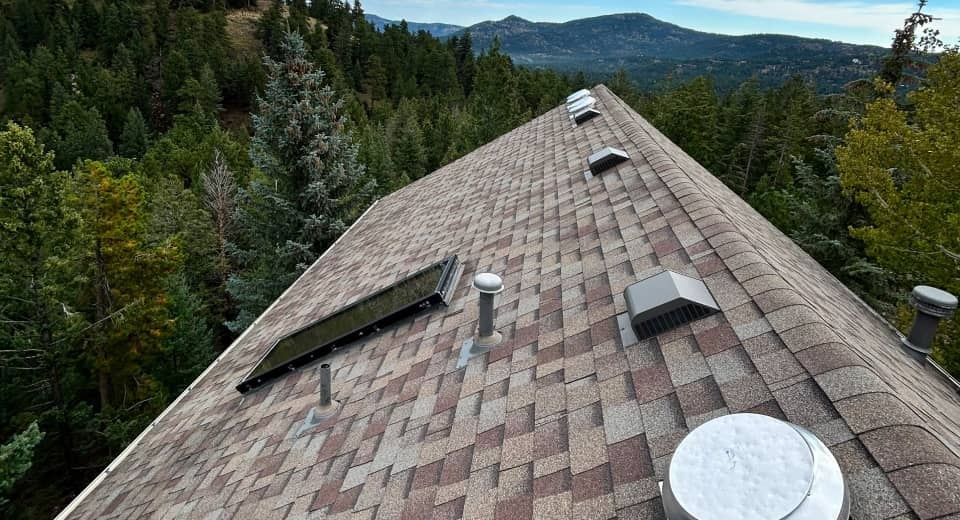
Roof with multiple skylights overlooking a forested mountain landscape
By Scott Mainzer February 13, 2026
Best Roofing Materials for Colorado Mountain HomesFebruary 13, 2026|Scott MainzerShare this post:Choosing the right roofing material in the Colorado mountains goes far beyond looks. Snow loads, hail, wind, and sharp temperature swings put more stress on roofs at elevation, making the right choice key to long-term perfo

Smiling person in a gray hoodie and green cap holding a clipboard, wearing a safety harness.

START YOUR FREE QUOTE

Contact Us