As residents of the Evergreen foothills, we look forward to the pristine beauty of a Colorado winter. However, the same heavy snow loads that turn our mountain communities into a winter wonderland can take a devastating toll on residential properties. One of the most destructive winter hazards facing local homes isn’t the visible weight of the snow itself, but a hidden structural threat: the ice dam.
When heavy mountain snowfall is met with fluctuating high-altitude temperatures and escaping home heat, a destructive cycle begins. Snow on the upper portions of your roof melts, runs down to the unheated eaves, and freezes solid—creating a thick block of ice that traps water behind it. Left unchecked, this pooled water backs up under your shingles, eventually dripping into your attic, destroying insulation, and causing severe drywall damage. Understanding
how to prevent ice dams in Colorado is a critical part of protecting your property from severe
snow damage
roof repair scenarios. With a few proactive maintenance steps and a strategic focus on keeping your home "mountain-ready," you can ensure your roof withstands the harshest foothills weather.
The Anatomy of an Ice Dam: Why Mountain Homes Are At Risk
To effectively combat ice accumulation, homeowners must understand the underlying thermodynamics that cause it. An ice dam forms when there is a significant temperature differential across your roof deck:
- Heat rising from the living spaces leaks into the attic bypasses, warming the underside of the upper roof deck well above freezing.
- This warmth melts the bottom layer of snow sitting on the shingles, causing water to trickle down toward the gutters.
- Once this runoff reaches the eaves (the edges of the roof that overhang the exterior walls), it enters an unheated zone where the roof temperature matches the freezing outdoor air.
- The water refreezes instantly, forming a solid ridge of ice that continuously traps subsequent melting snowmelt.
Evergreen’s specific geography intensifies this risk. At our altitude, rapid daytime temperature swings combined with dense pine canopy shade mean that sections of a roof facing south may melt rapidly in the sun while northern slopes or shaded valleys remain completely frozen. This uneven thermal footprint makes local properties uniquely vulnerable compared to homes down in Denver.
Critical Warning Signs to Watch For
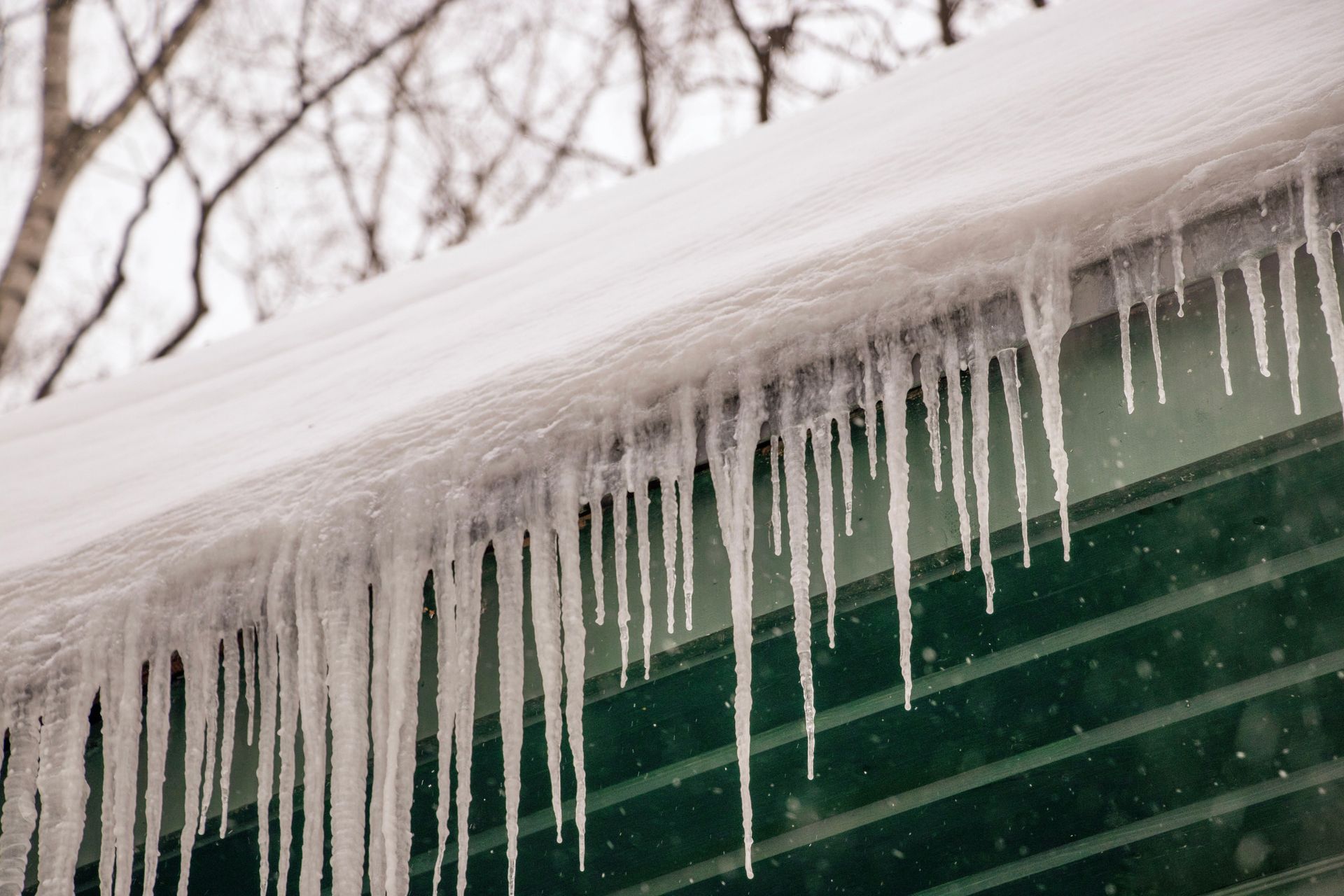
- Targeted Icicles: Massive icicles forming exclusively along the gutter line or behind the fascia board, rather than uniform icicles hanging from the roof edge.
- Interior Stains: Water stains, damp spots, or peeling paint on interior ceilings or drywall along your exterior walls.
- Gutter Overflow: Thick sheets of ice visibly filling the interior of your gutters or spilling down your siding.
Actionable Prevention Strategies for Colorado Homeowners
True ice dam prevention requires addressing the root thermal issues before the first major snowstorm hit.
1. Optimize Attic Insulation and Ventilation
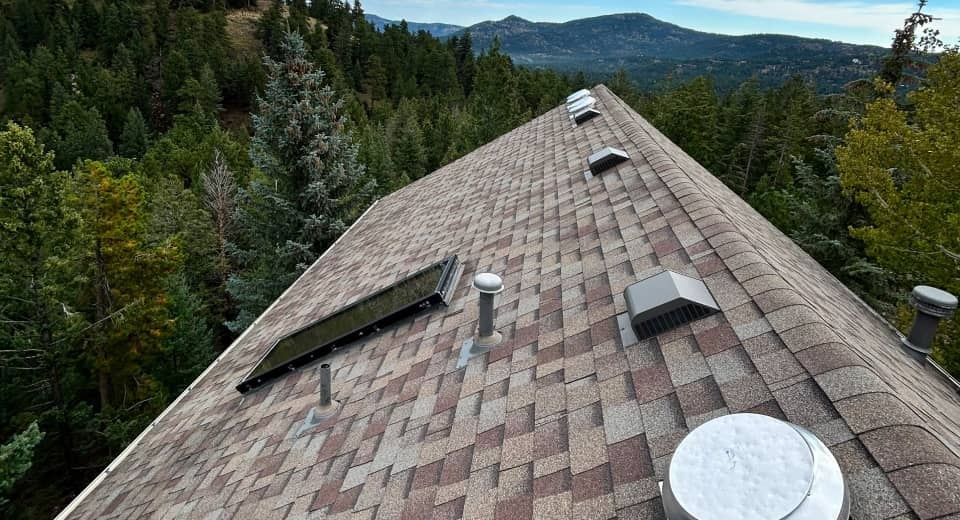
The primary goal is to keep your roof deck cold. Air-seal all attic bypasses—including around light fixtures, access hatches, plumbing stacks, and chimneys—to block interior heat from migrating upward. Ensure your attic is insulated to at least R-60 standards for mountain environments. Pair this with clear, unobstructed intake soffit vents and exhaust ridge vents to continuously circulate cold outdoor air right beneath the roof deck.
2. Gutter and Roof Maintenance Before the First Snow
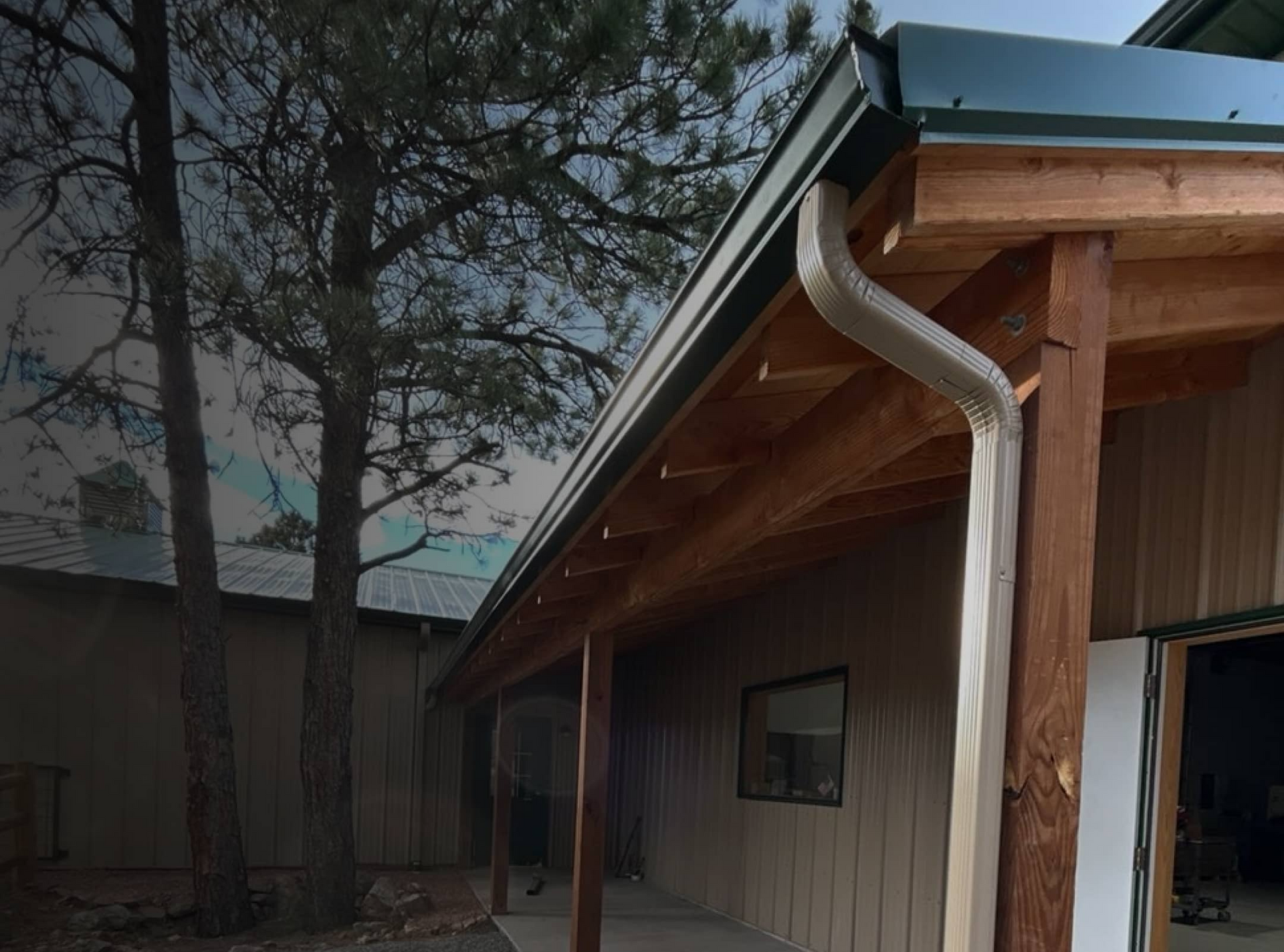
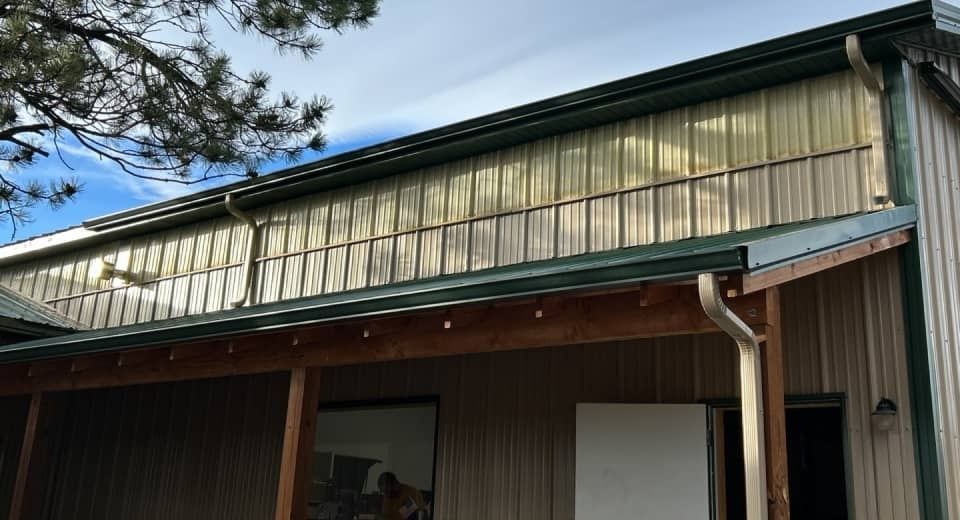
A clogged drainage system accelerates ice dam formation. Clear pine needles, heavy pine cones, leaves, and twigs from all gutter runs and downspouts in late autumn. Upgrading to custom-fit seamless aluminum or steel gutters ensures the system can handle the massive physical weight of heavy snow loads without pulling away from the fascia board.
3. Strategic Use of Roof Rakes
After a heavy snow accumulation, safely pull snow off the lower three to six feet of your roof eaves using a specialized telescoping roof rake. Removing this snow barrier eliminates the fuel source for potential ice dams. Always pull the rake down gently in the direction of the shingles to avoid tearing the granules or cracking cold materials.
Designing a "Mountain-Ready" Roof: Long-Term Solutions
When the time comes for a full structural replacement, investing in the right materials is the ultimate defense against high-altitude weather. The
best roofing material for mountain homes includes heavy-duty asphalt shingles engineered with polymer-modified binders that retain flexibility in sub-zero temperatures, or premium Class 4 impact-resistant shingles designed to resist both severe hail and freeze-thaw cracking.
Crucially, any professional roof replacement in the foothills must feature an ice and water shield underlayment. This self-sealing, waterproof membrane should be installed at least six feet up from the eave edges and throughout all valleys. While it won't stop ice from forming, it acts as an impenetrable barrier that keeps trapped, standing water from leaking into your home structure.
Protecting Your Property This Winter
Proactive prevention is always more cost-effective than emergency restoration. If you are concerned about your home's thermal layout or want to evaluate your roof's current integrity before winter arrives, contact Mainzer Roof & Gutter today.
Our team specializes in high-quality workmanship tailored explicitly for foothills weather. Call (720) 610-8262 to schedule your professional, honest
roof repair Evergreen CO evaluation or comprehensive inspection, and let us help ensure your home is fully mountain-ready.