An overflowing gutter does not automatically mean you need a new system. Debris may be blocking the outlet, a section may need a repair, or the layout may no longer handle the water coming off the roof. The useful question before winter is which of those problems you actually have.
For homeowners in Evergreen and the surrounding foothills, leaves and pine needles make fall a sensible time to check. Start with what you can see safely, then have persistent problems evaluated before deciding what to replace.
Start with a ground level check
Walk around the house in dry, safe conditions. Use your phone's zoom or binoculars rather than climbing onto the roof. Note any gutter sections that look bent, sagging or separated from the roof edge. Look for staining on the siding below them and disconnected downspout sections.
If you can watch runoff from a sheltered, safe spot during rain, write down what happens:
- Does water spill over one corner or along a whole gutter run?
- Is water coming out of the downspout?
- Does it drain away from the house or collect beside it?
- Does the same problem return after the gutters have been cleaned?
Photos and the date of the observation give a contractor a useful starting point. They do not establish the cause by themselves.
When cleaning may be enough
Leaves, needles and other debris can restrict drainage. If the gutters are otherwise sound, clearing the gutter channels and downspout blockages may restore normal flow. GAF's homeowner maintenance guidance explains why routine debris removal matters for the roof, siding and foundation.
Arrange professional cleaning if safe access is uncertain. Afterward, check whether the original symptom has stopped. A clean gutter that still spills at the same corner deserves another look; repeated cleaning alone may not address the cause.
When a targeted repair deserves a look
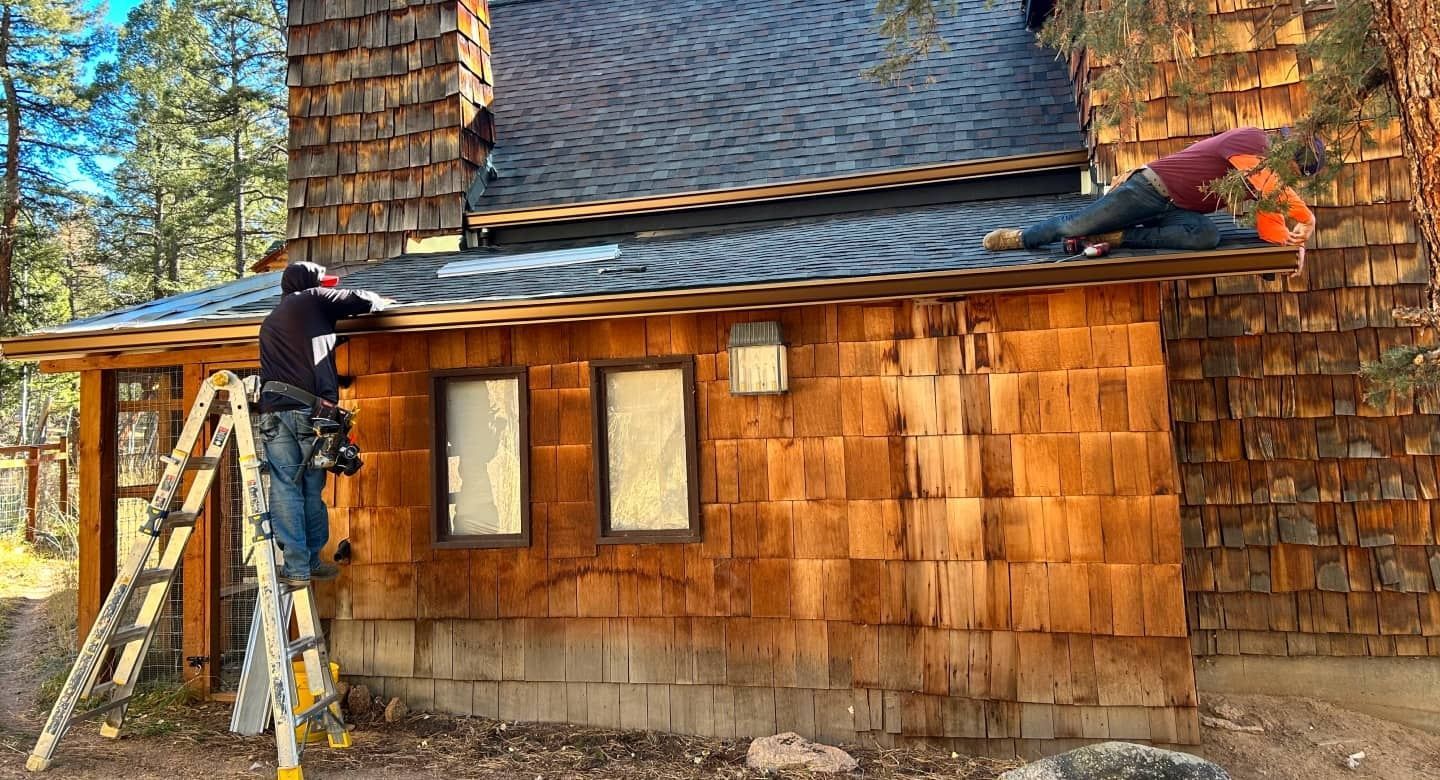
A leaking joint, loose support or section with the wrong slope may be repairable when the surrounding system is in good condition. The inspection should also include the fascia, the board behind the gutter. Damaged fascia can affect how securely the gutter is attached, so tightening a fastener may not be the whole answer.
Ask the contractor to show you the problem and explain what the proposed repair will change. Mainzer's gutter installation and repair services start with a review of the roofline and drainage setup before recommending work.
When replacement becomes worth considering
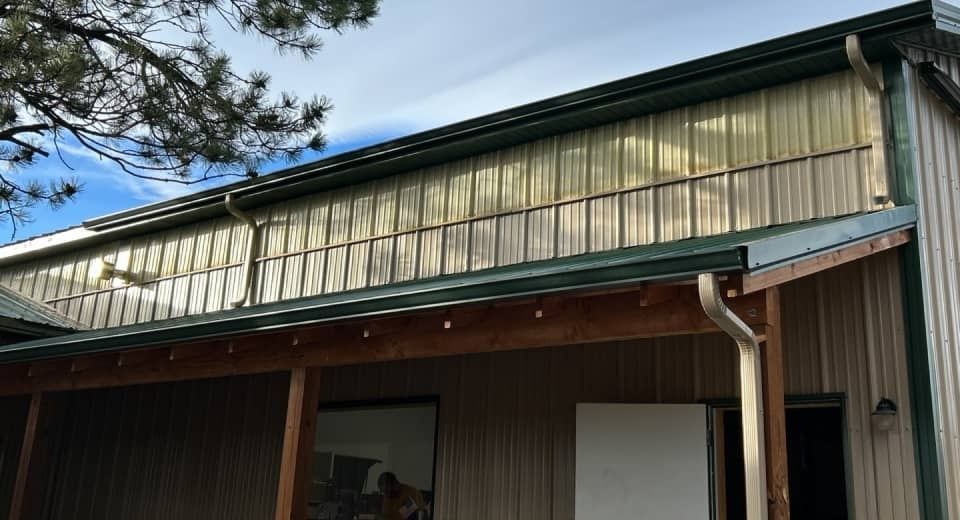
Replacement deserves a closer look when damage is widespread, several sections are badly distorted, or leaks keep returning despite suitable repairs. An inspection should separate worn components from a design problem, such as a gutter or downspout arrangement that cannot handle the runoff it receives.
Bigger gutters are not an automatic answer to every overflow. Ask how the proposed size, slope and downspout locations fit your roof. Also ask where the water will go after it reaches the ground. The Building America Solution Center's drainage guidance emphasizes both water-handling capacity and directing runoff away from the foundation.
Decide on gutter guards after checking drainage
Guards can reduce debris buildup, but they do not make a damaged or poorly draining gutter sound. Start by confirming that the existing system is secure and drains correctly.
If nearby trees make debris a recurring problem, ask about gutter guard options for your home. The choice should account for the debris you get and the gutter setup you already have. Plan on periodic checks even after guards are installed.
Keep ice dam concerns in the inspection
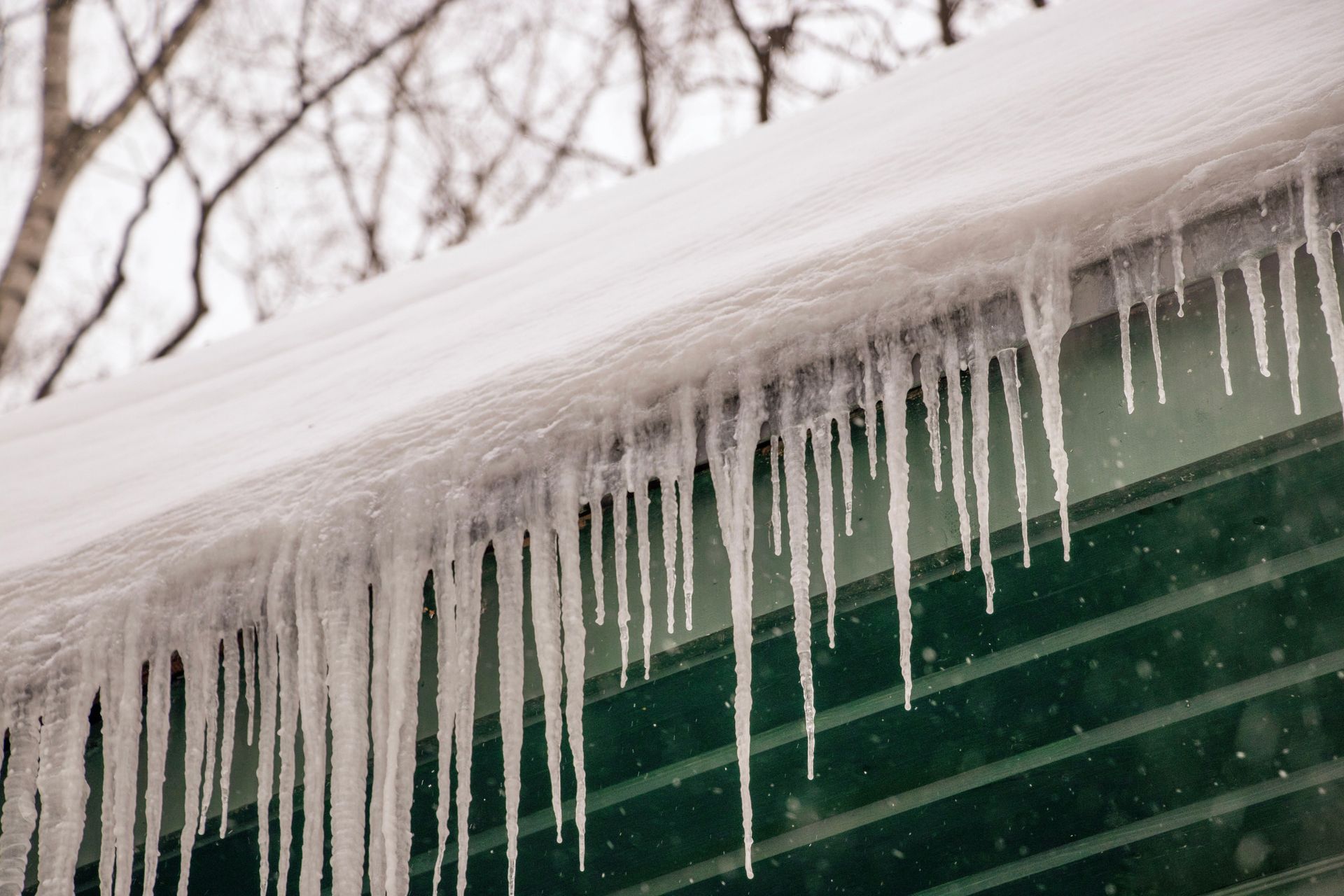
Clearing gutters before cold weather is useful maintenance, but it does not guarantee an ice-dam-free winter. Ice dams involve snow melting on warmer roof areas and refreezing near colder edges. University of Minnesota Extension explains the role of heat loss and roof temperatures.
If you have had recurring ice buildup or leaks during snowmelt, mention that history. It may call for a broader roof and attic assessment. Leave work around snow, ice and elevated roof edges to qualified professionals.
Ask for a clear scope before approving work
A useful estimate should make the recommendation easy to understand. Ask:
- What is causing the problem, and what can stay in place?
- Which gutter sections, supports or downspouts are included?
- Does the fascia need attention before gutter work begins?
- How will drainage be checked when the work is finished?
- What maintenance will the finished system still need?
Keep any photos of repeat trouble spots with the estimate. That makes it easier to compare the proposed solution with the issue you called about.
Get a practical next step for your gutters
Mainzer Roof & Gutter Company serves Evergreen and surrounding communities, including Littleton homeowners who need gutter installation or replacement.
If your gutters keep overflowing, leaking or pulling away from the house, call (720) 610-8262 to request an evaluation and written estimate. We will explain what we find and the options that fit your home.
Read More Posts

The Leak May Not Be Where You Think: How Colorado Homeowners Can Trace Water from Roof to Foundation


START YOUR FREE QUOTE
Contact Us
We will get back to you as soon as possible.
Please try again later.