Best Materials for Gutters for Homeowners in Colorado

February 13, 2026    Scott Mainzer

Share this post:

Colorado homeowners deal with a lot more than just rain. Snow load, ice buildup, hail, and sharp temperature swings during cold winters put constant stress on gutter systems, which is why seamless gutters perform better in extreme weather conditions. 


The type of gutter material you choose plays a big role in how well your gutters hold up, how much gutter maintenance they require, and how long a new gutter system protects your home.


This guide breaks down the best gutter materials for Colorado homes, with clear tradeoffs based on mountain and Front Range conditions. The goal is simple. Help you choose a gutter system that lasts, not one that causes problems after a season or two.

Key Summary:

Seamless aluminum gutters are the best choice for most Colorado homes because they resist rust and handle temperature swings well. Homes in higher elevations or areas with heavy snow often benefit from stronger steel gutters and six-inch sizing.

Why Gutter Material Matters in Colorado’s Climate

Colorado’s climate is tough on exterior systems. Winter brings heavy snow and repeated freeze-thaw cycles that add weight and stress to gutters. Spring and summer storms bring fast-moving rain, hail, and strong winds that test how well gutters stay attached and move water away from the home.


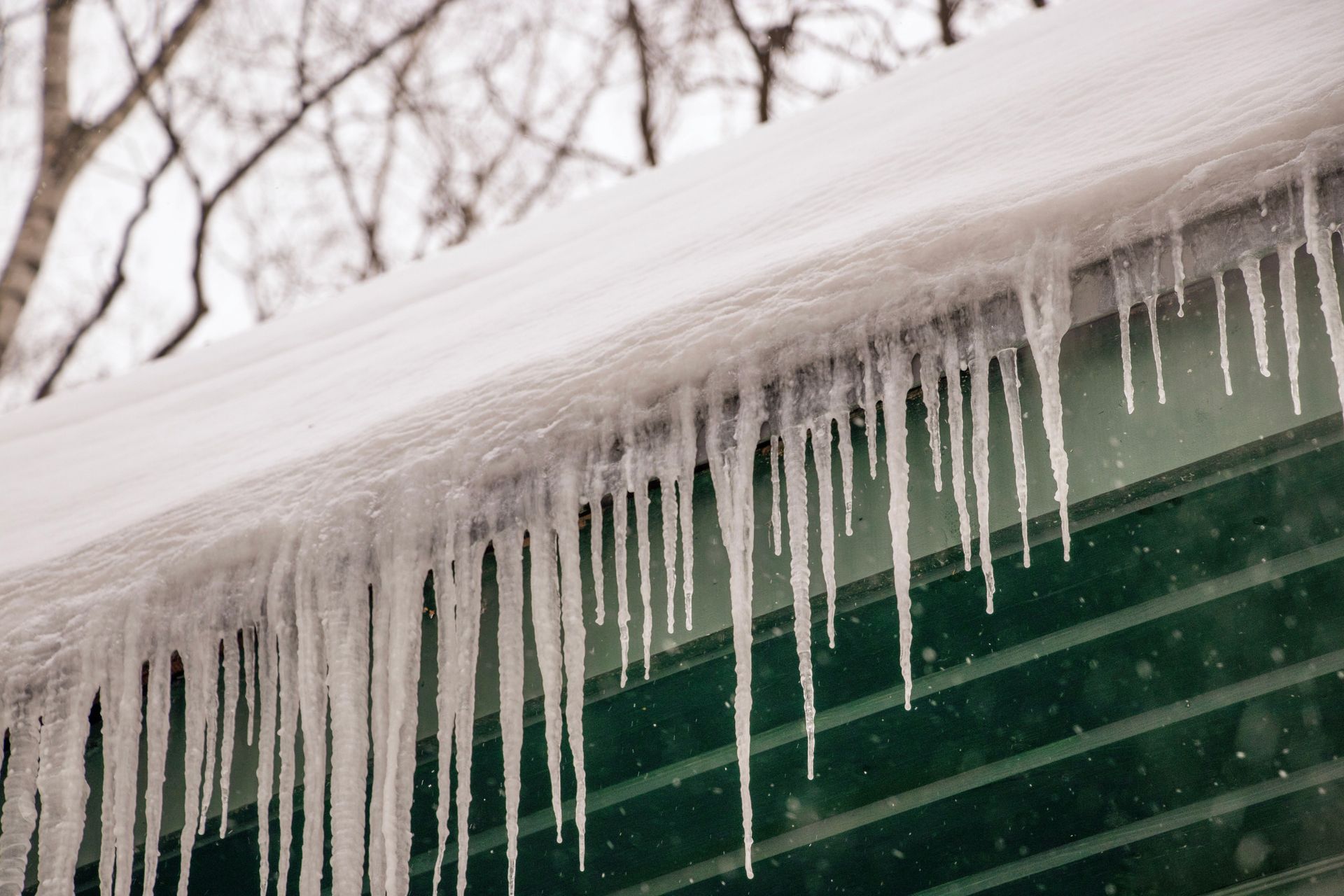
Snow load is one of the biggest factors. When snow melts during the day and refreezes overnight, gutters can fill with ice. Materials that flex too much, or are installed without proper installation standards, tend to sag, pull away from the fascia, or lose proper pitch, especially after poor installation. 


Once that happens, water stops flowing where it should, increasing the need for gutter maintenance and making regular maintenance more difficult as water works its way behind siding or into foundations.


According to data from the National Oceanic and Atmospheric Administration, Colorado experiences frequent rapid temperature changes and severe weather events that increase wear on exterior building materials. Choosing the right material helps reduce these risks and extends the life of the system.

Worker installing shingles on a roof, kneeling beside stacked materials and tools

Best Materials for Gutters for Homeowners in Colorado

much as installation. Below are the options most commonly considered by Colorado homeowners, with honest strengths and limitations.

Aluminum Gutters

Aluminum is the most common choice for seamless gutters in Colorado, and for good reason, offering a strong balance of durability, affordability, and quality gutters for residential homes. 


It does not rust, handles temperature changes well, and works with seamless fabrication, which reduces leak points. For many homes, aluminum offers a strong balance between performance and cost.


That said, not all aluminum gutters are equal. Thinner aluminum can bend under heavy snow or ladder pressure. 

Heavier-gauge aluminum holds its shape better and is often the smarter choice in mountain areas or homes with steep rooflines. When properly sized and securely hung, aluminum gutters perform well through snow, rain, and hail.

Steel Gutters

Steel gutters are chosen when strength is the top priority. They resist bending under snow and ice better than aluminum and tend to stay straighter over time. This makes them a solid option for homes that see heavy snow accumulation or strong winds.


The tradeoff is weight and maintenance. Steel gutters must be properly coated and maintained to prevent rust, especially at seams and fastener points. 


Galvanized steel can perform well for many years, but without proper maintenance, protective coatings wear down, and rust becomes a concern over time. Stainless steel lasts longer but comes with a much higher upfront cost.

Copper Gutters

Copper is a premium gutter material known for longevity and its ability to enhance curb appeal, especially on architectural or historic homes. It does not rust and develops a natural patina that protects the metal over time. In terms of lifespan, copper can last decades longer than most other materials.


For most Colorado homeowners, the limitation is cost. Copper gutters are significantly more expensive than aluminum or steel and are often chosen for architectural homes or historic properties where appearance matters as much as function. 


Performance-wise, copper handles Colorado weather very well, but it is rarely necessary for standard residential needs.

Zinc Gutters

Zinc gutters are less common but known for their durability and low maintenance. Like copper, zinc forms a protective surface layer over time and resists corrosion without painting. Lifespans can be very long when installed correctly.


The drawbacks are availability, cost, and installation complexity. Zinc requires experienced installers and is not widely offered by most contractors. 


For homeowners focused on long-term ownership and minimal maintenance, zinc can be an option, but it is not practical for many properties.

Vinyl Gutters

Vinyl gutters are typically not recommended for Colorado homes. While they are inexpensive and resist rust, they become brittle in cold temperatures. In mountain and Front Range climates, vinyl gutters are prone to cracking, separating at joints, and failing under snow load.


They may work in mild climates, but Colorado’s winters and temperature swings shorten their lifespan significantly. Most professional installers avoid vinyl for this reason.

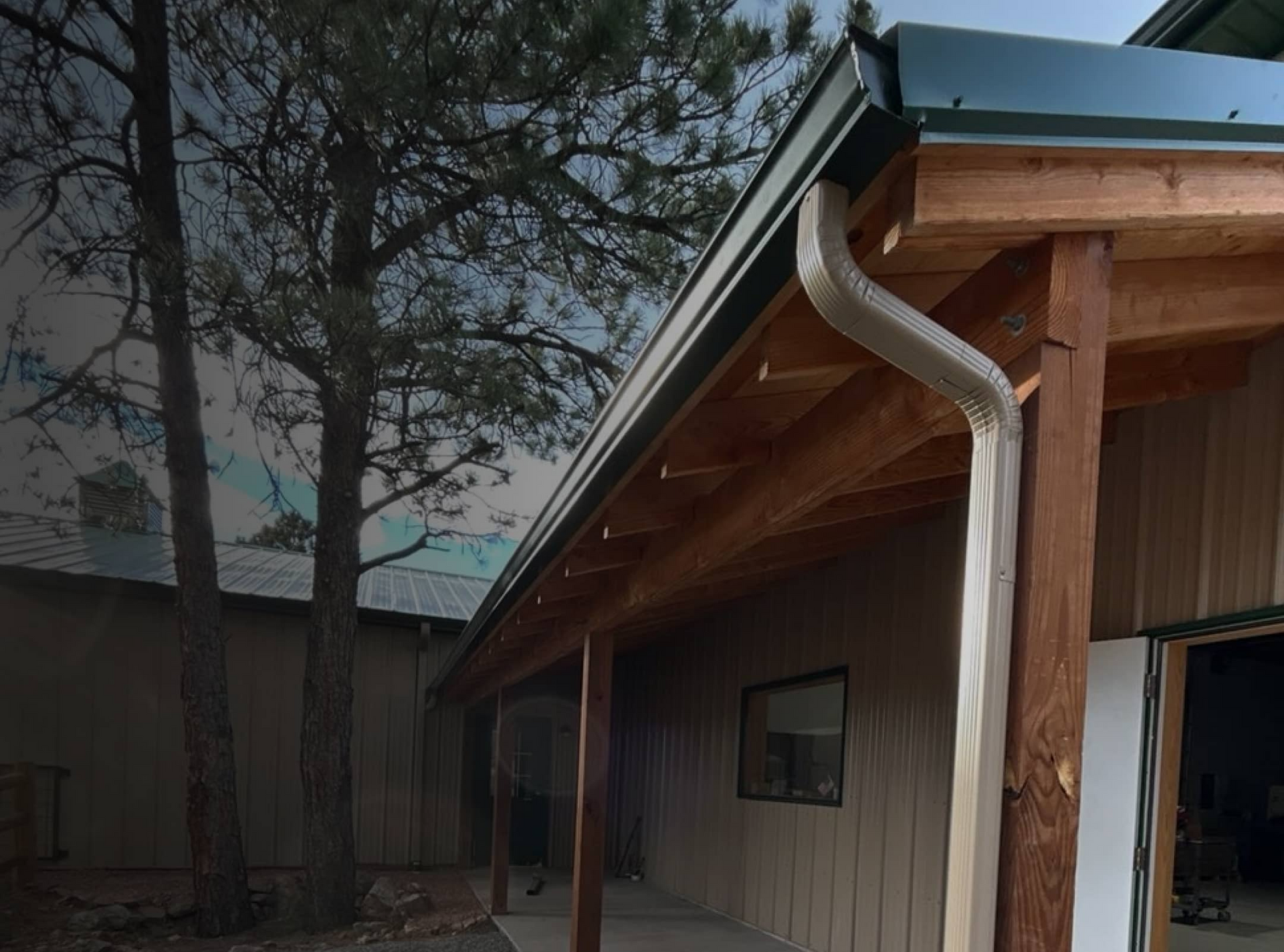
Long tan beam or rail extending from a workshop onto gravel, held by a tripod stand.

Aluminum vs Steel Gutters for Colorado Homes

Aluminum gutters work well for most Colorado homes because they resist rust and handle temperature swings, while steel gutters are the better choice when heavy snow loads and strength matter most.


Aluminum is lighter, easier to shape, and more affordable, which makes it the most common option across Evergreen and nearby areas. 


Steel gutters are stronger and hold their shape better under ice and snow, but they weigh more and need proper coatings and maintenance to avoid rust. 


The right choice often comes down to roof size, snow exposure, and how long you plan to stay in the home.

Here is a simple comparison to help clarify the differences.

Feature Aluminum Gutters Steel Gutters
Strength under snow Good with proper hanger spacing Excellent for heavy snow loads
Rust resistance Does not rust Can rust if the coating wears
Weight Lightweight Heavy
Cost Lower upfront Higher upfront
Maintenance Low Moderate
Best use case Most residential homes Mountain homes with heavy snow
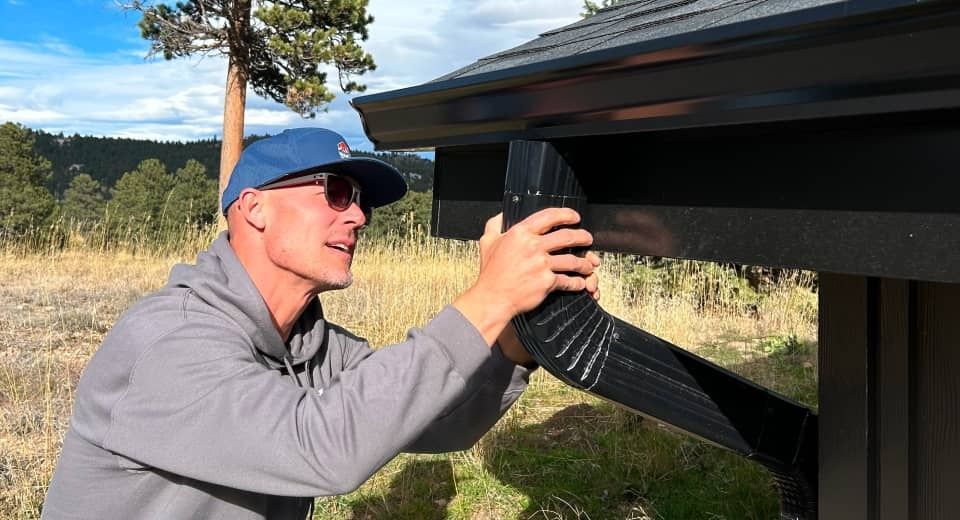
Man installing black gutter guard under roof eave on a sunny day outdoors

Gutter Size Matters Too: 5 Inch vs 6 Inch

Six-inch gutters handle snowmelt and heavy runoff better than five-inch systems, which is why many Colorado homes benefit from upsizing.


Five-inch gutters work well on smaller homes or roofs with simple layouts. They manage normal rainfall fine, but they can struggle during rapid snowmelt or heavy storms when large roof sections dump water at once. Overflow is usually the first sign that a system is undersized.


Six-inch gutters move more water and ice melt without backing up, making them a smart upgrade for a new gutter system when paired with proper installation. They are often recommended for steeper roofs, metal roofs, or homes surrounded by trees where debris and snow load increase demand. 


While slightly more expensive, they reduce overflow risk and help protect siding, fascia, and foundations during Colorado’s shoulder seasons.

The Role of Gutter Guards in Colorado

Colorado homes deal with pine needles, wind-driven debris, and ice buildup. Gutter covers help keep water moving while reducing clogs that lead to overflow and ice dams, especially during heavy snow and freeze-thaw cycles. Not all guards perform the same once snow and wind enter the picture.


Rigid, bolt-on gutter guards tend to perform better in mountain areas because they stay secured under snow load and high winds. They also reduce maintenance and help gutters keep proper flow during freeze and thaw cycles, when blockages cause the most damage.

How to Choose the Right Gutter Material for Your Home

Choosing the right gutter system is about matching your home to Colorado conditions, not picking a one-size option.


  • Roof size and pitch: Larger or steeper roofs shed water and snow faster, which often calls for stronger materials and larger gutter sizes.
  • Snow exposure and elevation: Homes in higher elevations or shaded areas deal with more snow buildup, making strength and hanger spacing more important.
  • Budget and long-term plans: Aluminum keeps upfront costs lower, while steel offers added durability for homes where snow load is a constant concern.
  • Maintenance preferences: If you want fewer cleanings and less upkeep, material choice and gutter guards both matter.
  • Professional installation quality: Even the best material will fail if pitch, fastening, or spacing is off. Installation matters as much as the gutter itself.
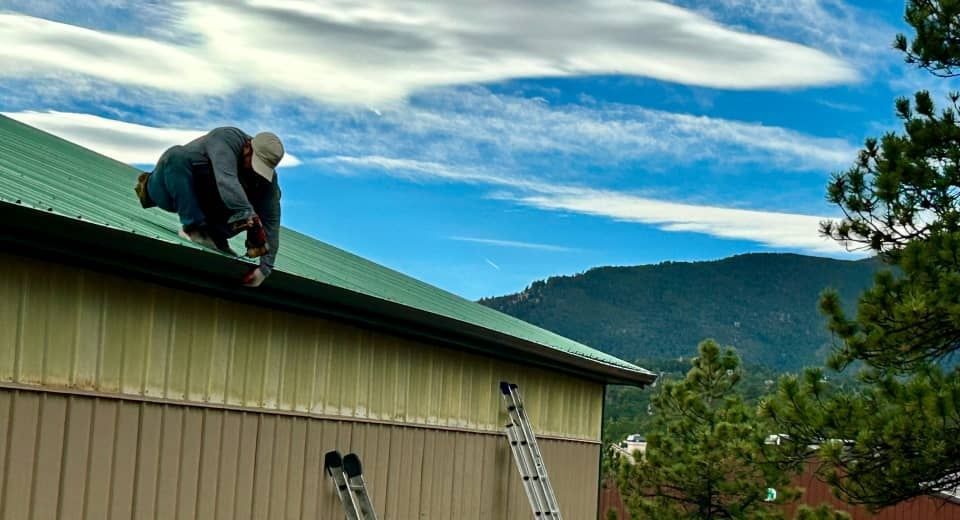
Person working on a green roof of a beige building with mountains and blue sky in the background

Why Professional Installation Matters More Than Material Alone

Even the best gutter material can fail due to poor installation, which is why proper installation matters more than material alone. Pitch, hanger spacing, fastener placement, and how the system is tied into the fascia all play a major role in how long your gutters actually last in Colorado weather.


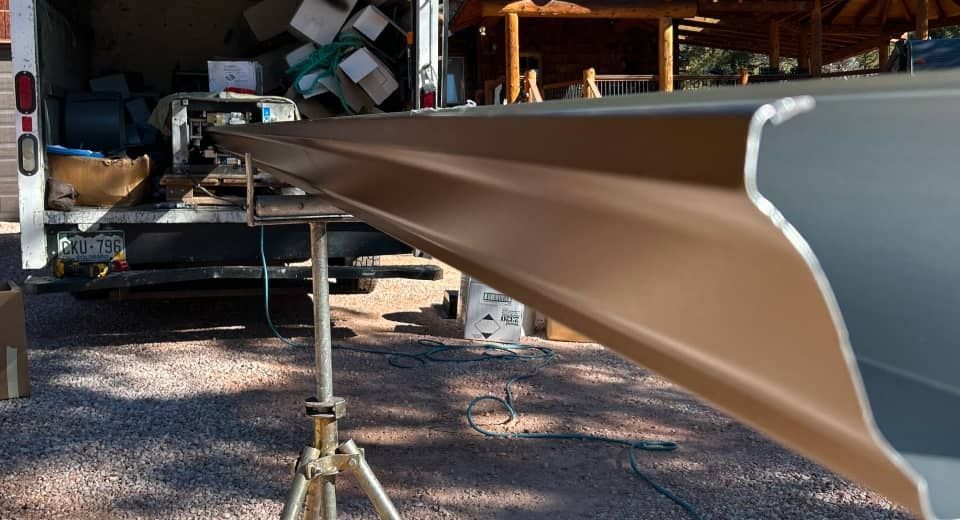
At Mainzer Roof & Gutter, installation is treated as a system, not a quick add-on. Every gutter run is measured, cut, and built on site, with careful attention to proper slope, secure mounting, and snow load support. 


That hands-on approach helps prevent sagging, leaks, and overflow issues that often show up after the first hard winter.

Get Gutters Built for Colorado Weather

Your home deserves gutters that do more than just look good on install day. A properly designed and installed new gutter system protects your roof, siding, and foundation while also supporting curb appeal through snow, ice, and heavy runoff.


If you are planning a new gutter installation or replacing an aging system, reach out to Mainzer Roof & Gutter for a free estimate. Call, email, or fill out the contact form to review aluminum and steel options, gutter sizes, and guard solutions.

FAQs

  • Does homeowners insurance pay for an old roof?

    Insurance usually does not pay just because a roof is old. Coverage depends on the cause of damage. If an older roof is damaged by a covered event like hail or wind, insurance may still help, but age can affect how much is approved.

  • Will insurance pay for a full roof replacement or just repairs?

    That depends on how widespread the damage is and how your policy is written. If damage is limited, your insurance provider may approve roof repairs instead of a full replacement. If damage affects large sections of the roof or compromises its integrity, a full replacement may be considered.

  • How long do I have to file a hail damage roof claim in Colorado?

    Most insurance policies have a time limit, often between six months and one year from the date of the storm. The exact deadline depends on your policy, which is why it helps to get your roof inspected soon after a hail event.

  • Do I need a roofer before calling insurance?

    You are not required to, but it is often a smart first step. A professional inspection helps confirm whether damage is storm-related and provides documentation that can make the claim process clearer and more straightforward.

Read More Posts

Two workers install wooden shingles on a rustic house exterior, one on a ladder and one on the roof.
By Scott Mainzer April 30, 2026
Learn when roof repair is enough, when replacement makes more sense, and what Colorado homeowners in Evergreen should look for after storm damage.

Worker in hard hat holding a clipboard beside a house exterior, inspecting siding and windows.
By Scott Mainzer April 30, 2026
Spot 15 signs your roof needs replacement in Colorado, from hail damage to leaks, sagging, and attic moisture, before small issues turn costly.
Worker installing roofing on a partially stripped roof, with gray shingles and exposed wooden rafters.
By Scott Mainzer February 13, 2026
Does Homeowners Insurance Pay for a New Roof?February 13, 2026|Scott MainzerShare this post:If you live in Colorado, you already know how tough the weather can be on a roof. Hailstorms, strong winds, and fast-moving mountain storms can cause damage that is not always obvious at first glance. Many homeowners ask us the
Roof with multiple skylights overlooking a forested mountain landscape
By Scott Mainzer February 13, 2026
Best Roofing Materials for Colorado Mountain HomesFebruary 13, 2026|Scott MainzerShare this post:Choosing the right roofing material in the Colorado mountains goes far beyond looks. Snow loads, hail, wind, and sharp temperature swings put more stress on roofs at elevation, making the right choice key to long-term perfo
Smiling person in a gray hoodie and green cap holding a clipboard, wearing a safety harness.

START YOUR FREE QUOTE

Contact Us